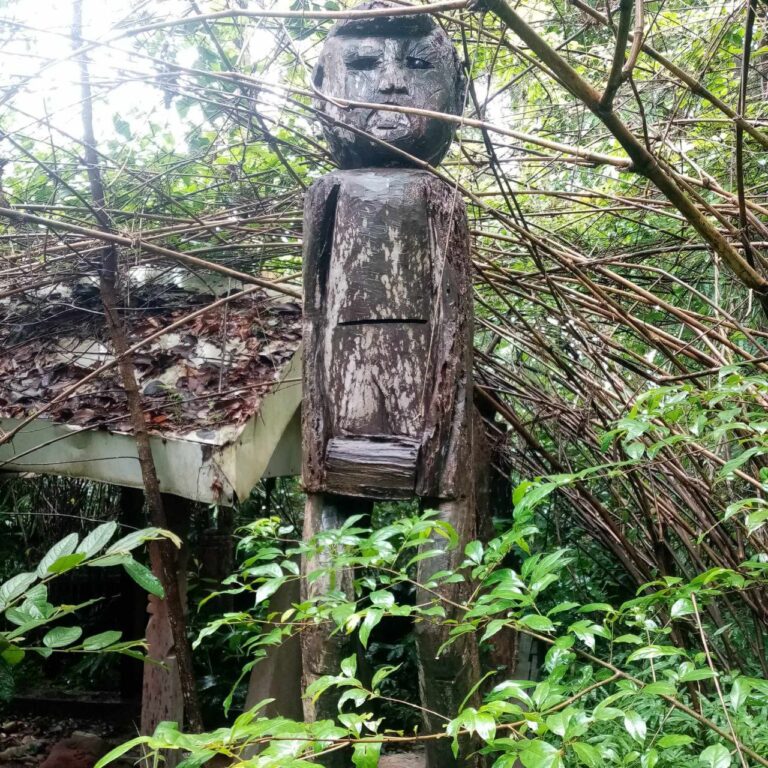
1-Day Jarai Village & Cemetery Tour – Ratanakiri
HIGHLIGHTS Experience the sacred ambiance of the Jarai Cemetery. Discover authentic life in a traditional Jarai village. Witness the art and passion of scarf weaving…

Skip the tourist trail. Meet the Jarai, Tampuan, Kreung, and Kachouk hill tribes of northeast Cambodia — people whose traditions predate Angkor by centuries.
Cambodia’s northeastern highlands are home to dozens of ethnic minorities collectively called Khmer Loeu — “highland Khmer.” These are people who practice animist religion, speak languages unrelated to Khmer, build wooden longhouses, weave their own cloth, and brew rice wine in ceramic jars. Their burial customs involve carved wooden statues and elaborate abandoning ceremonies that can take years to organize. None of this shows up on the usual Siem Reap–Phnom Penh tourist circuit.
Our cultural tours take you into Jarai, Tampuan, Kreung, and Kachouk villages in Ratanakiri Province. These aren’t recreations or cultural parks — they’re real communities where people live the way their grandparents did, with some concessions to modernity (tin roofs, mobile phones). Your guide has genuine relationships in these villages, knows who to ask before entering, and can explain what you’re seeing without reducing people to museum exhibits.
Visits typically include cemeteries with their striking burial statues, weaving demonstrations, farm walks through cashew and pepper fields, and — if you’re lucky — an invitation to sit down and share rice wine. Every tour puts money directly into the communities. The more visitors come, the more economic reason there is for families to maintain traditions rather than sell their land to plantation companies.
Day trips to indigenous villages and sacred sites
HIGHLIGHTS Experience the sacred ambiance of the Jarai Cemetery. Discover authentic life in a traditional Jarai village. Witness the art and passion of scarf weaving…
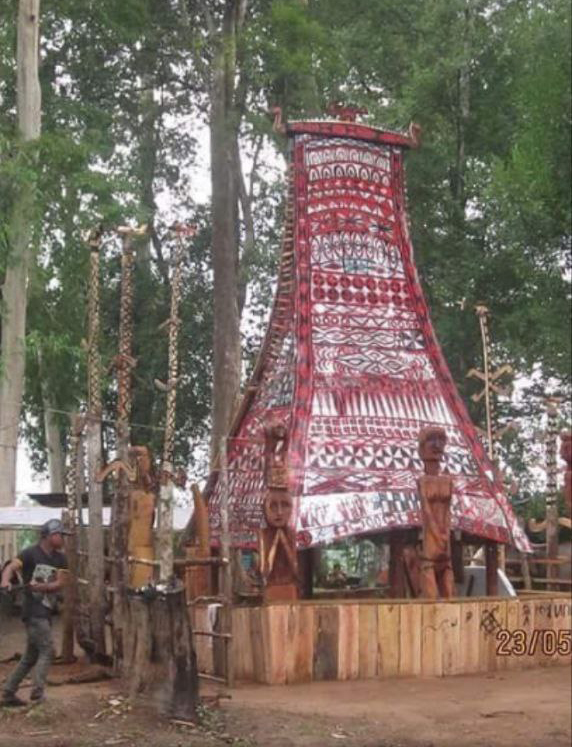
HIGHLIGHTS Sesan River Serenity: Glide along the mesmerizing Sesan River on a scenic boat ride. Sacred Kachouk Cemetery: Discover timeless wooden statues that honor ancestral…
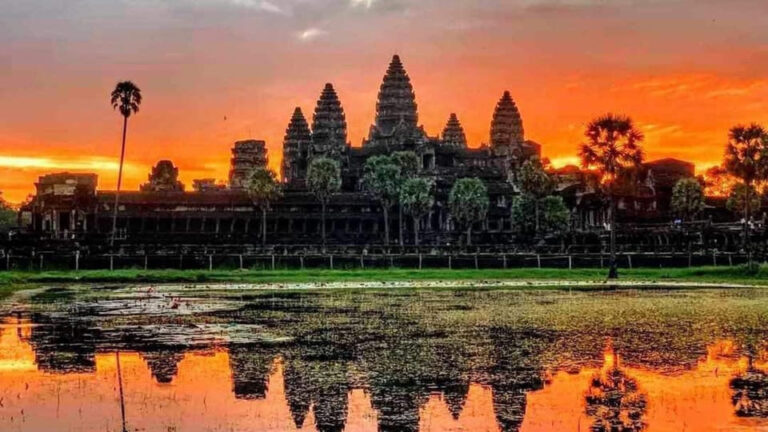
HIGHLIGHTS Begin the Day with a Sunrise and Temple Circuit Discover the History of Angkor Thom & Bayon Enjoy Authentic Khmer Cuisine & a Scenic…
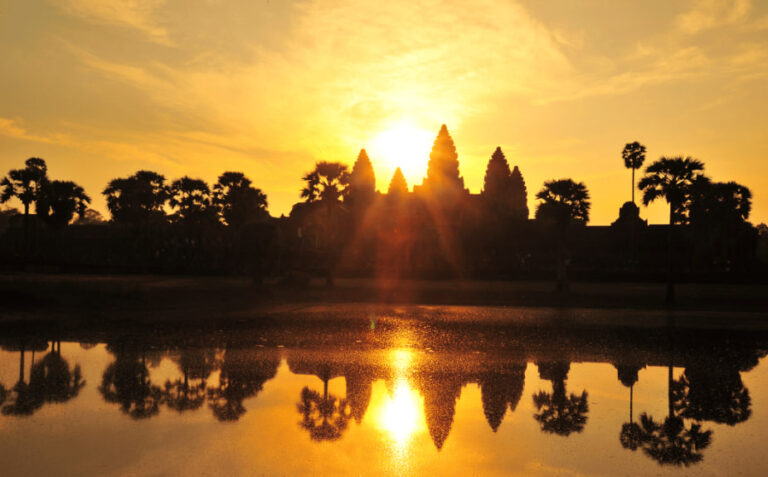
HIGHLIGHTS Experience the Timeless Grandeur of Angkor Wat Uncover the Mysteries of Angkor Thom & Ta Prohm Bask in the Golden Glow of an Angkor…
The Khmer Loeu number roughly 200,000 across more than 20 distinct groups in Ratanakiri, Mondulkiri, and Stung Treng provinces. Most speak Mon-Khmer languages distantly related to Khmer. The Jarai are the exception — their language belongs to the Malayo-Polynesian family, linking them linguistically to people in Indonesia and the Philippines rather than mainland Southeast Asia. All groups practice some form of animism, believing that spirits inhabit trees, rivers, mountains, and animals. Christianity has made inroads in some communities, but traditional beliefs remain dominant.
A typical day includes two or three stops. You might begin at a Jarai cemetery where rows of carved figures — men, women, elephants, motorcycles — surround family burial huts. Then move to a village where your guide introduces you to community leaders and you walk through the settlement observing longhouse architecture, kitchen gardens, and daily routines. A weaving village shows the production process from raw cotton to finished textile. You might visit a cashew or pepper farm, and you’ll almost certainly end up at a gem mine where miners extract sapphires with shovels and buckets.
These are people’s homes, not tourist attractions. We arrange every visit through community leaders who welcome visitors. A portion of the tour fee goes to village development funds. Photography is permitted with consent — your guide facilitates this so you don’t have to navigate it alone. We never bring large groups (max 6–8), never enter homes uninvited, and never treat customs as spectacles. The relationship is genuine: the same guides visit the same villages regularly, and there’s mutual respect on both sides.
Cultural day tours pair naturally with the Ratanakiri waterfalls and Yeak Loam Lake visits. They also slot into multi-day itineraries as a half-day or full-day addition between jungle trekking and other activities. If indigenous culture is your primary interest, we can build a focused 3–4 day itinerary visiting multiple ethnic groups and sacred sites.
When done properly, yes. Our visits are arranged through community leaders who invite visitors. Tourism provides income that helps families maintain traditions. We follow responsible tourism guidelines, keep groups small, and treat every visit as a guest entering someone’s home.
Generally yes, but always through your guide. Some people are happy to be photographed, others prefer not to be. At cemeteries, photography is usually fine. Your guide handles the asking so there’s no awkward pointing of cameras at strangers.
It depends on the tour route. The Jarai are known for their cemeteries and Austronesian language. The Tampuan manage Yeak Loam Lake and have distinctive longhouse villages. The Kreung are famous for their “love huts” tradition. The Kachouk live along the Sesan River and are reached by boat. We can tailor visits to your interests.
Yes. The tours involve short, easy walks and village visits — nothing physically demanding. Kids often enjoy it because village children are friendly and curious. It’s a great educational experience for families.
Part of every tour fee goes to village development funds. Local guides earn income. Craft purchases go directly to artisans. Most importantly, the economic benefit of tourism gives communities a reason to preserve their culture and resist selling ancestral land to plantation companies.
We arrange respectful, small-group visits to communities most travelers never reach.