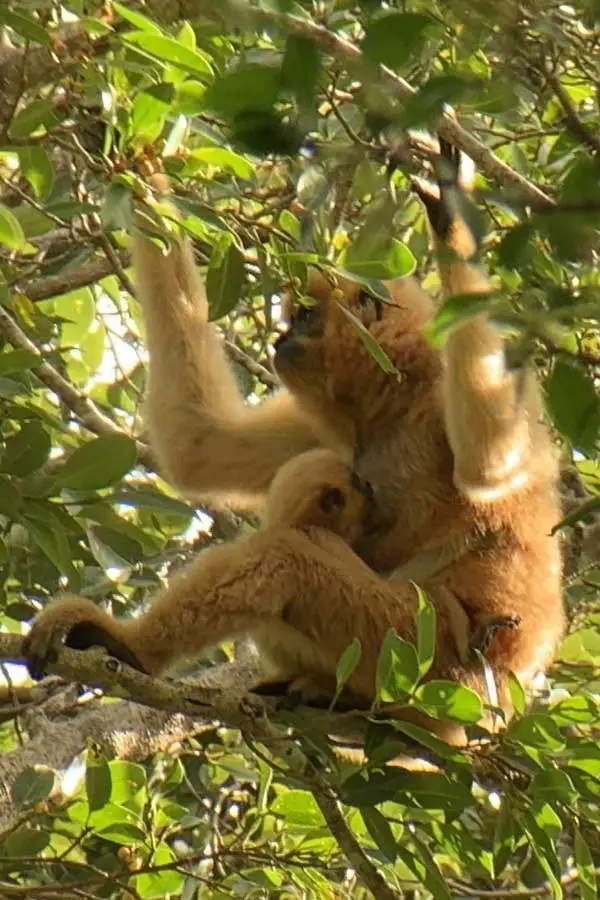
2 Day Gibbon Trekking in Wildlife Sanctuary (Mondulkiri)
Our Highlights Day 1 Enjoy an easy, unhurried start as our team collects you from your hotel after breakfast and escorts you on a scenic…

Set your alarm for 4 AM and follow Bunong rangers into the Keo Seima Wildlife Sanctuary to watch endangered gibbons wake the forest with their morning calls.
The Keo Seima Wildlife Sanctuary covers roughly 2,000 square kilometers of dense forest in southern Mondulkiri — and it holds over a quarter of all the gibbons left in Cambodia. The southern yellow-cheeked crested gibbon is the star here, a critically endangered primate whose morning song carries for kilometers through the canopy. Hearing it in person, standing in the half-dark forest before sunrise, is one of those travel moments that stays with you.
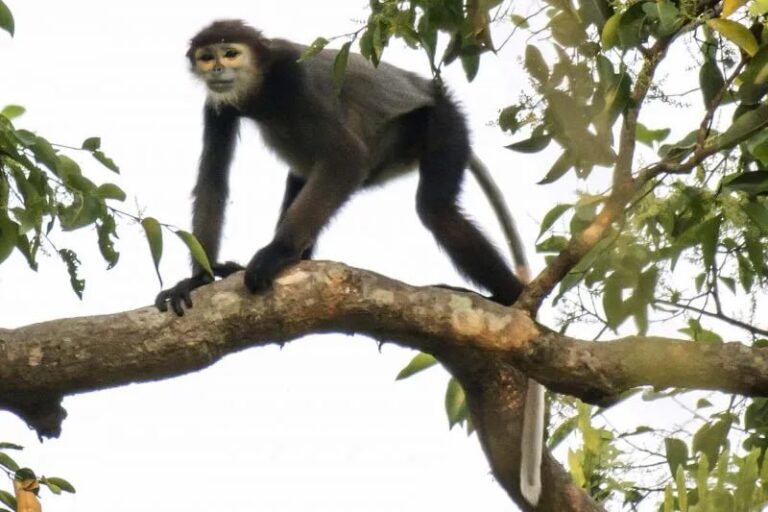
Our Bunong rangers have tracked specific gibbon families for years. They know which trees the groups sleep in, which routes they travel, and how close you can get without disturbing them — often as near as 15 meters. Beyond gibbons, expect to see black-shanked douc langurs (the world’s biggest population lives here), pig-tailed macaques, great hornbills, and if you stay overnight, slow loris and civets on the night safari.
This isn’t zoo-style wildlife viewing. The forest is dense, the trails are rough in places, and sightings require patience and silence. That’s exactly what makes it rewarding. You earn every encounter, and the animals behave naturally because they’re genuinely wild.
Day trips and overnight expeditions into Keo Seima Wildlife Sanctuary
Our Highlights Day 1 Enjoy an easy, unhurried start as our team collects you from your hotel after breakfast and escorts you on a scenic…

Gibbon Highlights: Gibbon watching overnight by standard Tent. …
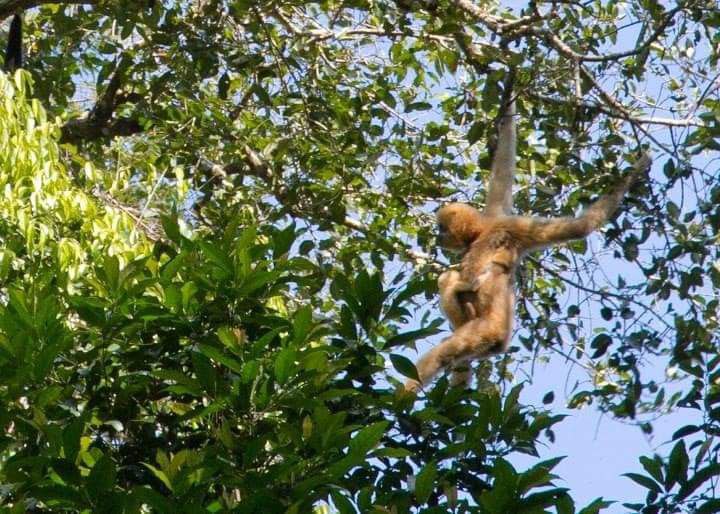
Tour Highlight! Gibbon watching in Protected area. Trekking in Virachey national park Camping waterfall Bamboo tube soup bamboo rafting
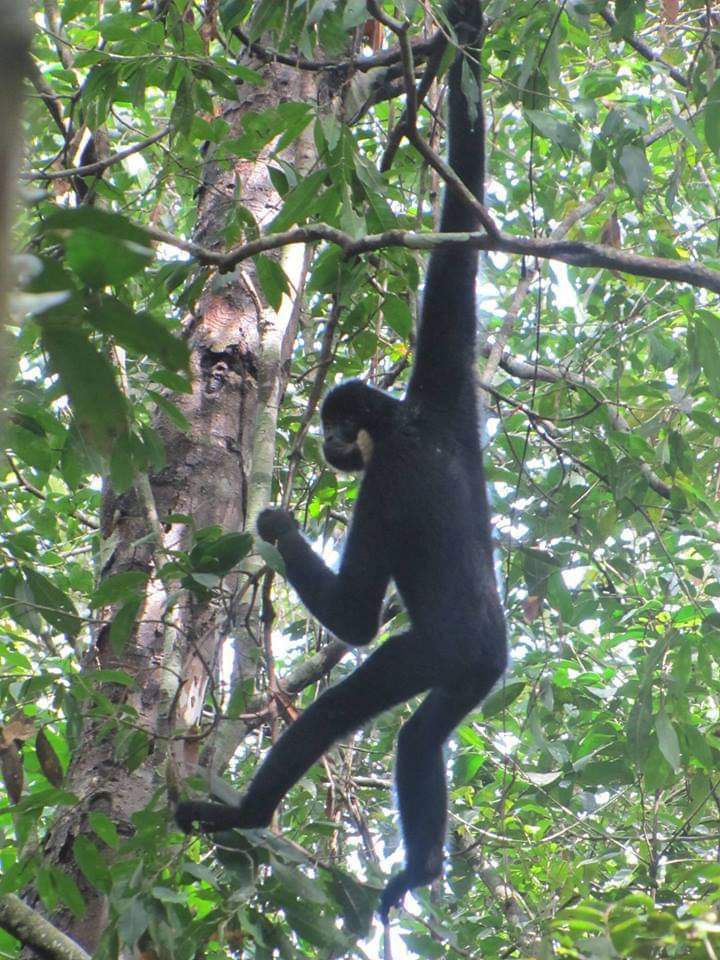
Tour Highlights Hidden deep within the vast wilderness of Keo Seima Wildlife Sanctuary lies an immersive journey that stirs the senses and reconnects you with…
Gibbon Tracking & Jungle Waterfall Discovery Expedition Highlights Partner with seasoned primate researchers to locate and observe wild gibbons Navigate lush rainforest trails alive with…
TOUR HIGHLIGHTS Explore the Bunong Village. Journey Through the Sanctuary Forest and Interact with Free-Roaming Elephants. Feed the Elephants at their very own jungle-spa. Refresh…
Keo Seima Wildlife Sanctuary (formerly Seima Protection Forest) is managed jointly by Cambodia’s government and the Wildlife Conservation Society. It protects one of the most important blocks of lowland evergreen forest left in mainland Southeast Asia. The Bunong indigenous community plays a central role — local rangers patrol for poachers and loggers, and ecotourism provides income that makes conservation economically viable. When you book a gibbon tour, you’re funding forest protection directly.
December through March delivers the best conditions: dry trails, clear mornings, and predictable gibbon behavior. Sighting success during peak season runs above 90%. The wet season (June–October) is still productive — gibbons don’t migrate — but trails get slippery and the pre-dawn trek is muddier. Gibbons are vocal year-round, especially between 5:30 and 7:00 AM.
Keo Seima holds the world’s largest known population of black-shanked douc langurs — striking black, white, and orange primates that move through the mid-canopy. Pig-tailed macaques are common. The birdlife is extraordinary: great hornbills with wingspans over a meter, green peafowl displaying in clearings, and enough woodpecker species to keep a birder busy for a week. Night safaris reveal slow loris, flying squirrels, and civets.
Day trips involve 4–6 hours of moderate forest trekking on uneven terrain with some steep sections. You’ll be walking before sunrise, so a headlamp is essential. Wear dark, quiet clothing — no bright colors, no rustling fabrics. Binoculars make a big difference. Your guide provides meals, water, and all camping gear for overnight stays.
Pickup from your hotel in Sen Monorom is around 4:00 AM. You need to be in the forest before the gibbons start calling at dawn. A later start is possible, but it significantly reduces your chances of close sightings.
In peak season (Dec–Mar), over 90% of tours result in clear sightings at close range. Our rangers track habituated family groups and know their sleeping trees. Even in wet season, success rates stay around 75–80%. Nothing is guaranteed with wild animals, but the odds are strongly in your favor.
Day trips work for children aged 12 and up who can handle a 4 AM start and 4–6 hours of forest walking. The terrain is hilly and root-covered. Overnight camping tours are better suited for ages 15+. Younger children would be better off on the elephant tours, which are easier.
Completely different experiences. Gibbon trekking is wildlife observation in deep forest — you’re quiet, patient, looking up into the canopy. Elephant tours are hands-on interaction with animals at community sanctuaries. Different locations, different vibe. Many people do both over 3–4 days.
Dark, neutral-colored clothing that doesn’t rustle. Long pants and sleeves for insect and branch protection. A headlamp for the pre-dawn walk. Binoculars and a camera with zoom lens if you have them. Insect repellent. Your guide supplies food, water, and camping equipment.
Message us to lock in your dates. Small groups only — spots fill up in peak season.